


What Type of Home Did the Jumano Tribe Live In?

The Jumano tribe, which is a significant Native American tribe that existed in the southwestern of the United States, has always intrigued history and anthropologists with their flexibility, culture, and the ability to endure. The knowledge of the kind of house that the Jumano tribe inhabited assists us to know how they lived and survived in some of the most hostile environments of North America. Their houses were not only houses but also a representation of the way of life, geographical location and a bond they had with nature.
Who Were the Jumano Tribe?
The Jumano were a heterogeneous community of Native Americans, whose residence was mostly in modern-day Texas, New Mexico, and northern Mexico. Their lifestyle was different in various regions where they settled since they lived in such a large territory. They are usually divided into two groups, the Plains Jumano and the Pueblo Jumano by historians. They both inhabited the open plains and the rivers and fertile regions respectively.
Jumano people were referred to as traders, as they moved across tribes and bridged cultures. They traded commodities such as food, implements and attires and acted as intermediaries between the farming tribes who lived a sedentary life in the west and the hunting tribes who were nomadic in the plains. Their houses were a representation of this dual life style with permanent houses to be lived in by the farmers and mobile ones to be lived in by the travelers.
What Type of Home Did the Jumano Tribe Live In?
These two major types of houses were constructed by the Jumano tribe, depending on their place of residence. Pueblo Jumano, a community that lived along the river Grande and other areas constructed permanent houses constructed of adobe. Adobe is a natural construction material that comprises a blend of mud, clay, water and straw then dried under the sun. These houses were solid, snug during the winter, and cool in summer, the season of the hot dry countries of the Southwest.
The Plains Jumano, on the other hand, were more nomadic and followed their buffalo herds all over the plains. Since they were always on the go they constructed temporary houses in the form of teepees. These temporary buildings were constructed by using buffalo hides that were hung over wooden poles and this meant that they could be easily put together, dismantled and transported to a new place.
That is why when we consider what kind of home did the Jumano tribe live in, its answer is based on their way of life. Others dwelt in permanent adobe houses whereas others dwelt in portable teepees. This adaptability demonstrates the level of intelligence used by the Jumano to adapt to their environment.
To understand Native American home structures, educational websites, such as National Geographic Education and History.com (both high-authority, reliable sources) are interesting to study native home structures and culture.
The Importance of Adobe Homes
To the Pueblo Jumano, the adobe houses were not only utilitarian. These multi-room houses were usually constructed in close proximity creating mini communities or villages. The thick adobe bricks used in the construction of the walls were very good as thermal resistant walls. The roofs were level and in some cases, they served as an extra living room or drying area.
Adobe building dates back to ancient times and is still evident in the Southwest architecture today. The materials and techniques have not been subject to time due to their sustainability and adaptation to the local climatic conditions. Such heritage of architecture can nowadays be seen in the pueblos of New Mexico and Texas, which resemble the usual Jumano style.
To learn more, go to the Native American Architecture section of Britannica, an educational resource with a high level of the DA that allows one to learn the historical and cultural background of adobe building and tribal housing in North America.
The Life of Plains Jumano and Their Teepees
The Plains Jumano were also forced to be mobile unlike their Pueblo counterparts. They also hunted buffalo which was their staple source of food, clothing and shelter materials. The teepees were constructed to fit their way of life very well, as they were light, simple to erect, and the strong ones could withstand the plains that were windy.
The cone shape of the teepee made it remain stable in the strong winds. Buffalo hides used made the interior warm in cold weather and cool in summer. A tiny hole at the top enabled the escape of smoke in fires, and thus made it useful in preparing food and heat.
These mobile homes were necessary since the Plains Jumano used to travel long distances to either trade or hunt. They were more than practical, they were an indication of knowledge of the land and weather by the tribe.
To learn more about the nomadic Native American tribes and their homes, you can also explore reliable educational sites like Smithsonian’s National Museum of the American Indian which is an extremely credible source featuring genuine information on the lives of the tribes and their houses.
The Connection Between Home and Culture
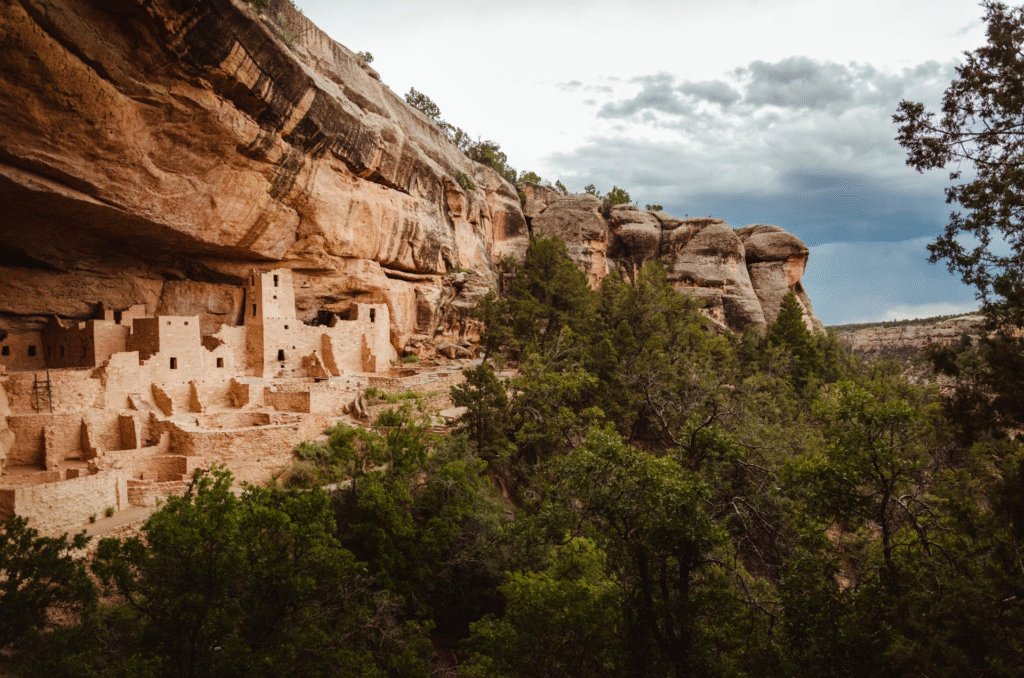
As a Jumano, a house was not simply a building, but it represented a system of equilibrium and existence. The Pueblos Jumano adobe houses and the Plains Jumano teepees demonstrated patience, craftsmanship and community living respectively and flexibility and harmony to nature respectively.
These residences showed profound knowledge of the surrounding. The Jumano were aware of how to exploit the local materials and construct the houses that could support them even in the severe conditions. Their flexibility still remains an inspiration to modern architecture that is sustainable, particularly in arid areas where sustainable materials are crucial.
The concepts of Jumano housing such as resource efficiency, community design, and environment harmony are examined today by both architects and historians.
The information regarding the Native American heritage, archaeology discovery, and the sustainable building tradition based on the indigenous knowledge can be found on websites like Archaeology Southwest (the image of a well-organized organization with high DA and OA indicators).
Legacy of Jumano Housing
Although the tribe of the Jumano as an independent group is no longer in the same shape, its cultural impact still remains in the form of their descendants and archaeological evidence of their settlements. The remnants of adobe edifices and objects discovered in sites discovered along the Rio Grande tell us about the life people lived during the day.
The Jumano philosophy of living, which is based on respecting nature and living in harmony with its rhythm, is a universal lesson, in a broader sense. Contemporary civilization can draw lessons on how to construct dwellings that would be sustainable and resilient and, most importantly, be in harmony with the surrounding environment.
In case you want to learn more about Jumano history and heritage, trustworthy sources such as Texas Beyond History and Native Languages of the Americas provide enough information about the way of life of the tribe, their culture, and settlements.
Conclusion
And what kind of house did the Jumano tribe live in? The solution tells a lot of their wisdom and flexibility. Individuals who subsequently settled along rivers constructed strong adobe dwellings that spanned through generations as other Plains Jumana developed lightweight teepees that enabled them to abide by the rhythms of nature and the buffalo herds.
Their houses were a perfect blend of man and nature – a lesson that they can still apply in the modern world where people seek more environmentally friendly ways to live. Jumano houses made of mud and straw or animal hides and trees make us feel that the architecture can be effective and at the same time mindful of the environment.
Their narrative is one still to be curious and wonder, to span the gap of time between the past and the present with the eternal concept of sustainable living.
Frequently Asked Questions (FAQs)
What kind of homes did the Jumano tribe live in?
The Jumano tribe lived in two main types of homes: adobe houses for those in settled areas and teepees for those who were nomadic hunters.
Why did the Jumano tribe use different types of homes?
Their choice of homes depended on lifestyle and geography. The Pueblo Jumano lived near rivers and built permanent adobe homes, while the Plains Jumano moved frequently and lived in portable teepees.
Are any Jumano homes still standing today?
While original Jumano homes no longer exist, archaeological remains and similar adobe-style structures can still be seen in parts of Texas and New Mexico.
How did Jumano homes reflect their environment?
Jumano homes were built using local materials like clay, mud, straw, and buffalo hides. These materials provided natural insulation and were sustainable for their specific environments.
Where can I learn more about Jumano history?
Trusted websites such as National Geographic Education, Texas Beyond History, and Smithsonian National Museum of the American Indian offer accurate and detailed information about the Jumano and other Native American tribes.