


China House: A Blend of Tradition, Art, and Modern Living
The idea of the Chinese house is the intriguing reflection of the Chinese rich history, artistic tradition and the changing style of the buildings. It is a setting of a flawless balance between conventional culture and modernist design that embodies the essence of balance that has characterized the life of the Chinese over the centuries. It is the China House that is more than a building but a symbol of identity, beauty and balance whether you are thinking of ancient courtyard houses of Beijing, the beautiful tea houses or the modern eco-friendly constructions.
The Cultural Essence of a China House
China House has a strong cultural philosophical base. The Chinese traditional architecture was constructed on the principles of the Feng Shui and Taoism, which all underline the need to bring harmony between man and nature. The positioning of rooms, the facing of the house, and even the positioning of doors was said to determine the circulation of the energy or qi in the house.
The old Chinese houses were constructed in a way that promoted peace, unity and respect to family. Here, the example is the courtyard; the central point of the home, an open area with rooms around, where the sunshine, air, and nature could flow into daily life. It is where families used to meet, eat and observe festivals. The design was representative of the Chinese traditional value of togetherness.
Even now that they refer to a China House, they are referring to a building that reflects these ingrained beliefs which offers solace, order and emotional attachment.
Traditional Chinese Architecture
The traditional Chinese houses were not just a house: they represented the social status and intellectual elegance. One of the most popular Chinese building designs is the Siheyuan or the courtyard house. It is based mostly in China specifically in the northern part, especially in Beijing with a rectangular compound that has buildings on all 4 sides. Every side had its purpose and this made it a balanced and symmetrical design, which was an embodiment of stability and prosperity.
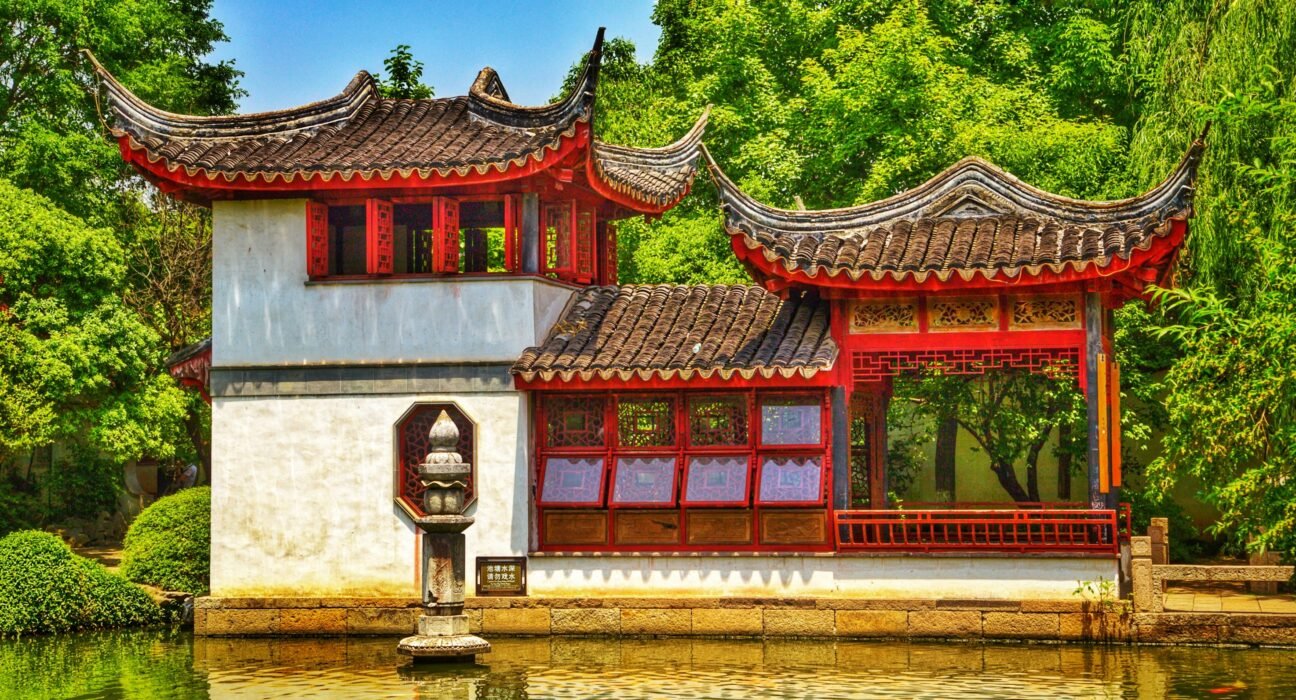
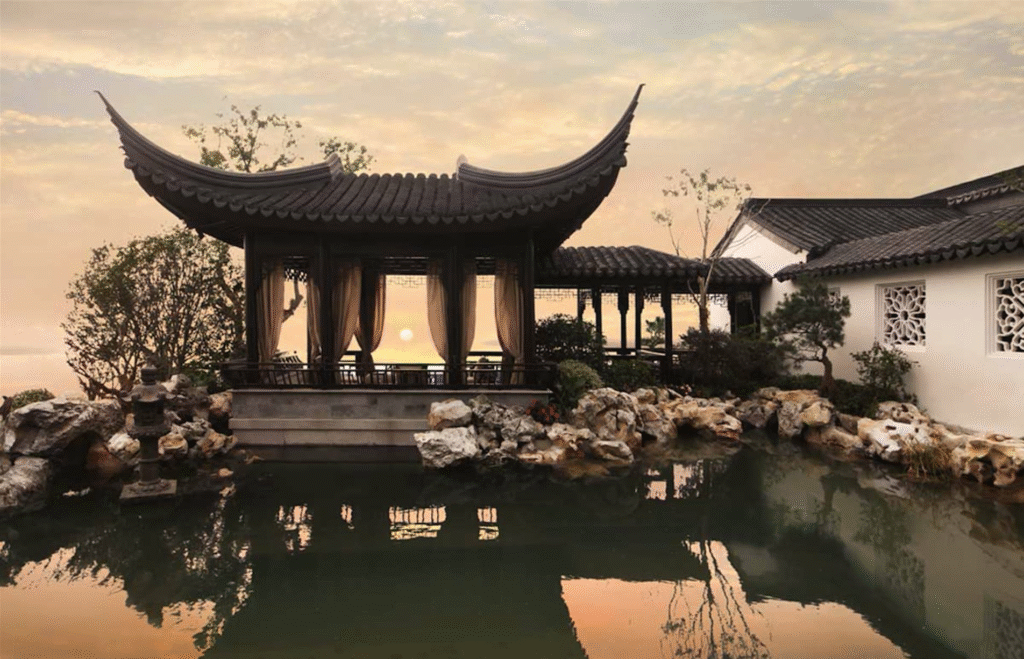
The houses of the southern parts of the country, e.g. the Guangzhou or Suzhou, could be characterized by specific features like curved roof, carved wooden screens, and little pond with lotus flower. Animal elements such as water and wood were used with a purpose of creating balance and calmness at home.
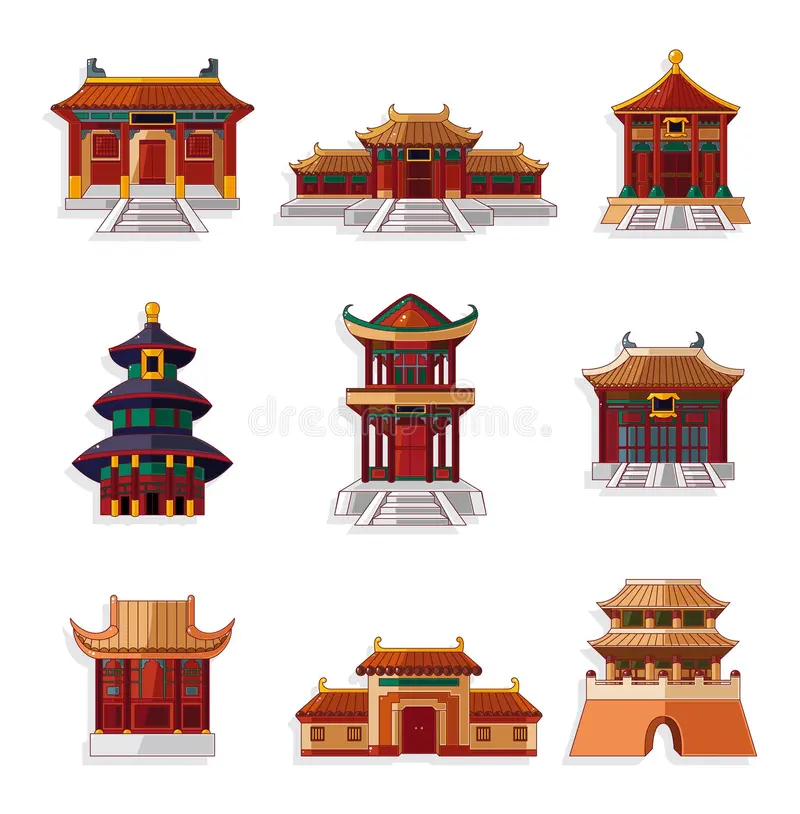
The roof is a distinct feature of most of the traditional Chinese houses. not only were the sweeping, upturned eaves beautiful, but were useful, tilting the rainwater away and admitting the air more freely. The color and materials were also symbolic. Red signified good fortune and a royal color as well as yellow.
The Modern China House
With China modernizing at a very high pace, so did the architecture. Combining the artisanship and contemporary engineering and design, the modern China house is constructed on minimalist design and technology. The Chinese houses today have a tendency of being covered with glass, having eco-friendly materials, and energy-conserving designs. Nevertheless, they still have slight remnants of the ancient design concepts.
Indicatively, numerous urban apartments have internal gardens, bamboo decor and open plan, which replicate the expansive atmosphere of past courtyards. The past is becoming a source of inspiration to architects who are basing their designs on it to design homes that are grounded but progressive.
Such cities as Shanghai and Shenzhen are the centers of new residential design where modernist skyscrapers are mixed with hutongs and old heritage buildings. This contrast has been a perfect representation of the Chinese history- a country that is highly proud of its history but is willing to explore the new world.
To have a closer look at the development of architecture in China, you may visit reputable websites of ArchDaily and Dezeen which possess high domain authority and regularly write about innovations and the development of Chinese architecture and sustainable housing.
Symbolism in Chinese Homes
All the components of a China House are symbolic. In front of the house, one can commonly see stone lions also called fu dogs that are regarded to keep evil spirits at bay. Symmetry is a symbol of balance and circles of designs depict of harmony and completeness.
Calligraphy, porcelain and bamboo furniture, frequently feature in the interior not only because they are pleasing to the eye, but also because they have a cultural connection. Colors are also important. It is typical of red walls or accent, which bring good luck and happiness. Gold is applied to indicate prosperity and success and green represents prosperity and life.
Water basins such as pond and fountains are also famous additions as they symbolize prosperity and flow. According to Feng Shui, flowing water has a positive energy that attracts positive energy.
China Houses Around the World
The beauty of Chinese architecture has traversed the world past Asia. Homes, restaurants, cultural centers in cities around Europe, America, and Middle East are built in the Chinese style. Such foreign China Houses tend to mix oriental features such as pagoda roof structure and lanterns with modern designs.
In the case of China House Restaurant in Bangkok, for example, is a wonderful combination of art and food that is based upon the architecture of the 1930s Shanghai. Likewise, the China House in Penang, Malaysia, is a blend of traditional layout with contemporary cultural space and has been a tourist and artist attraction to the entire world. These examples emphasize the way Chinese aesthetics and values remain effective in shaping the world design trends.
Many websites, such as National Geographic, Lonely Planet, and others, visit the Chinese heritage sites and architecture, providing a more in-depth look at the beauty and ideals of Chinese buildings.
Sustainability and the Future of Chinese Homes
The theme of sustainability has been a part of the new Chinese housing in recent years. The nation has also put a lot of money in green building and environmentally friendly designs. Solar panels, rainwater harvesting systems and recycled materials are widely employed in residential work nowadays.
To be modern China Houses tend to incorporate smart technology such as automated lighting, temperature control and energy efficient windows that allow to be more comfortable and to be environmentally friendlier. However, even in the process of this modernization, architects have preserved such traditional features as natural ventilation, wooden structures, and open courts. This combination of the past and the present makes sure that the soul of the China House is not dead even in the world where urbanization is taking its toll.
To get a better understanding of sustainable architecture and home innovation, websites like World Architecture Community and Green Building Council provide reliable data on ecological housing projects with the global outlook.
The Emotional Connection
A China House is more than an architectural structure- it is an emotive and a belonging thing. It is a place of rejuvenation and family ties are reinforced as well as cultural heritage is handed over to the next generations. It can be the homely place in the countryside or a skyscraping building in the urban center, but the feeling of connection with the ancestral place is still the core of Chinese existence.
It is serene harmony of functionality and symbolism that makes Chinese houses different. They ask you to slow down, relax and enjoy the simple moments of life something that is all the more important in the modern fast-paced world.
Conclusion
The China House is a symbol of unity between man and nature, the past and the future. It does not only refer to an architectural style but also to a lifestyle which considers peace, balance and continuity of cultures. Since times immemorial, the China Houses were built to narrate a story of strength, innovativeness, and eternal grace.
Inspired by the beauty of the traditional or the modernity of the modern world, the exploration of the world of Chinese architecture can provide a better understanding of how space could influence our relationship with culture, history, and home.
FAQs
What are traditional Chinese houses called?
Traditional Chinese houses are commonly known as Siheyuan in the north and Tulou in the south. They are courtyard-style homes designed for family living.
What is the significance of Feng Shui in a China House?
Feng Shui is an ancient philosophy that guides home design to ensure harmony and balance. It influences the placement of rooms, furniture, and entryways to promote positive energy flow.
How are modern Chinese houses different from traditional ones?
Modern Chinese houses focus on technology, sustainability, and space efficiency while preserving traditional aesthetics such as symmetry and natural materials.
What colors are commonly used in Chinese homes and why?
Red, gold, and green are dominant colors in Chinese interiors, symbolizing prosperity, wealth, and vitality respectively.
Where can I learn more about Chinese architecture?
Reputable sources such as China Highlights and Cultural China offer in-depth articles on Chinese architecture, design, and traditions.