



Understanding the Word “Epistemic”: A Deep Dive into Knowledge and Belief

Language usually conceals in it the treasure of meanings which reflect the way people think, reason and perceive the world. One such term is the word epistemic. Although it may appear complicated, it is a phenomenon that we employ on day to day lives without the slightest idea of it. It is associated with knowledge, belief, and understanding which are fundamental factors in our sense making of life and reality.
This paper will examine the meaning of epistemic, the relationship of epistemic to human experience, and the importance of knowing how to be more thoughtful and open-minded. It is not about being philosophical because there is no purpose behind that, but about illuminating this meaningful word in a manner that is human, and to which anyone can relate and apply.
What Does “Epistemic” Mean?
Epistemic in its most basic form is an adjective derived out of the Greek word, epistemic, meaning knowledge or understanding. Therefore, anything that is epistemic concerns knowledge, acquisition of knowledge, justification of knowledge and differentiation between truth and falsehood.
Discussing something being epistemic is a reference to the issues of faith, evidence, and knowledge. As an example, when one goes on to say, I believe this is because I have good evidence, then that belief has an epistemic foundation, it is founded upon reasoning and justification and not just opinion.
It is epistemic thinking that allows us to ask ourselves such questions as: How do I know this is true? or Why should I believe this information? Learning, critical thinking and scientific reasoning are founded on it.
The Epistemic Dimension of Everyday Life
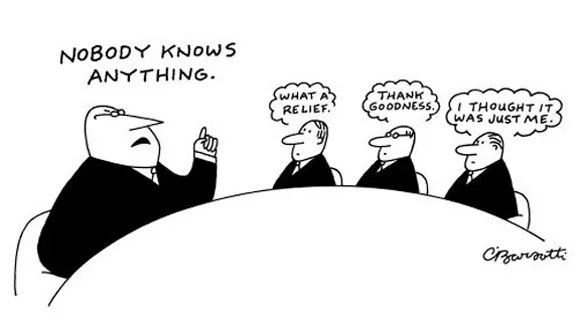
Epistemic reasoning is a concept that may be viewed to be used only in classrooms, universities, or even philosophy debate, yet it is much more common in our daily lives than we provide.
In picking out the news source to believe, you are making an epistemic choice. You are making epistemic judgments when you listen to the advice of a friend about a job or a relationship and you are deciding who to believe, what to believe. You are still going through an epistemic process even though you are doubting your own assumptions or discovering something new.
Epistemological consciousness enables us to live in an informational, opinionated, and even misinformation world. It urges us to take a moment and think before we can believe something to be true. Such thinking produces clarity of mind and intellectual honesty, an attribute most useful in the current data-driven high-paced society.
The Epistemic Value of Curiosity
The most important thing about epistemic development is curiosity. Seeking knowledge is also an open minded approach to uncertainty. All the great thinkers, scientists and innovators began with a question. Our staying curious is what sustains our epistemic character- our need to know, to understand and to explore.
Epistemic curiosity is not merely an interest in it, but the active wish to eliminate the holes in our knowledge. It inspires us to read, enquire, trial and test as well as pursue truth and not comfort. This kind of curiosity does not only reinforce what we know, but how we know it.
Epistemic curiosity will make us lifelong learners that cherish the intricacy of knowledge as opposed to fearing it.
Epistemic Responsibility: Knowing with Integrity
Knowledge carries with it the burden of responsibility, the burden of critical thought and wise use of information. Epistemic responsibility implies that we have to be cautious about our beliefs and our dissemination of these beliefs. It is an act of scrutinizing facts, challenging prejudices, and willing to be corrected in case they are found to be wrong.
Epistemic responsibility has never been more relevant in the era of social media and spreading information. Sharing a false thing may damage the reputation, create fear, or misrepresent what people understand. Integrity is achieved by stopping and checking before we speak or write, and we become part of a culture of honesty.
Knowing is not a simple matter of knowledge, but it is all about being aware of it.
The Epistemic Self: Knowing What We Know
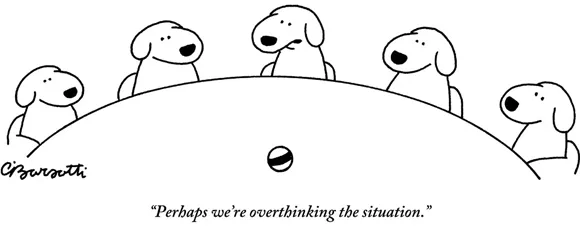
Have you ever noticed that sometimes you think you know something and then you are asked to explain it and you know that you do not know that much as you at first thought you knew? This epiphany is very epistemic. It demonstrates the disproportion between the perceived and real knowledge.
Epistemic self is the aspect of us that contemplates what we know and the degree of confidence that we have about it. It is no weakness to recognize the boundaries of our knowledge, and is an indicator of intellectual maturity. One of the best philosophers in history Socrates stated, The sole true wisdom is, knowing you know nothing.
The recognition of our epistemic boundaries can enable us to be better learners and better relational with others. It teaches us that knowledge is not as important as one should be open-minded and humble.
Epistemic Injustice: When Knowledge Is Silenced
The idea of epistemic injustice is an important and current phenomenon of epistemic discussion. This occurs when ignorance, voice, or experience is unjustly confronted or offered by the person.
As an example, where an individual is not trusted due to his or her gender, race, or social background, he or she is epistemically wronged. They are not able to contribute to some shared understanding because society does not value it, not that they are not knowledgeable.
Understanding and redressing the epistemic injustice assists in establishing equality in education, the media, and general living. It makes everybody be heard and respected towards seeking the truth.
Why Understanding the Epistemic Matters
In order to comprehend the world, we have to comprehend our knowledge of what we know. Epistemic view educates us to appreciate reason, evidence, and openness. It teaches us compassion by reminding us that all of our beliefs are informed by our experiences and availability of knowledge.
Thinking epistemically does not mean that we passively receive information, but rather to analyse it. We are taught to know the difference between opinion and fact, to ask questions in a respectful manner and to find answers without being arrogant. This attitude will improve us as students, speakers and citizens.
At the individual level, it promotes self-knowledge. In business, it makes sound decisions. It establishes confidence and comprehension in society. Epistemic way of thinking is not only the scholars only- it is those people who wish to live more thoughtfully and genuinely.
The Future of Epistemic Thinking
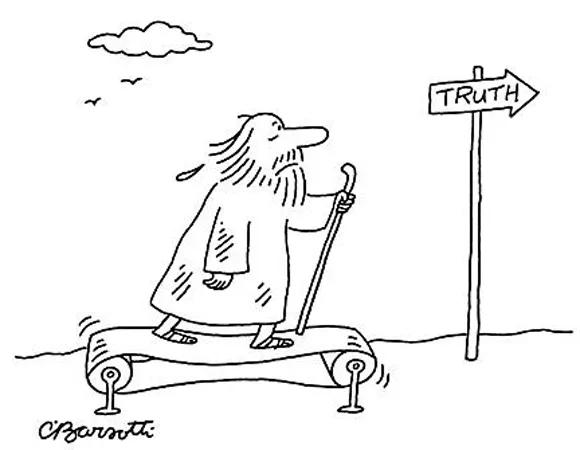
With the changing technology and with increased accessibility of information, the relationship with knowledge is always evolving. Due to the introduction of artificial intelligence, digital media, and online learning, new epistemic boundaries have been opened- questioning the credibility, trust and truth.
The future lies on how we are going to handle these challenges. Will we still be appreciating critical thought and actual perception or will we over depend on fast solutions? Acceptance of epistemic awareness requires us to make the best of these changes without becoming de-intellectualized and careless in our intellectual responsibilities.
We should still instruct and apply epistemic thinking in schools, business places, and societies. It is the secret of creating the world where people think in truth rather than noise, and understanding rather than assumption.
Conclusion
In any case, the word epistemic may seem too academic, but its meaning is quite relevant to human life. It suggests that knowledge does not only mean understanding reality by facts but also by actions, reflection, and self-awareness. Epistemic thinking is the habitual consciousness, doubting what we do and know in favor of truth. In the modern world, where the amount of knowledge makes everybody lost in information, epistemic knowledge is a must. The more we know about epistemic thinking, the better we see others and ourselves with all our determinations and reflections making us human.
FAQs
What does “epistemic” mean in simple words?
Epistemic means “related to knowledge or understanding.” It describes things connected to how we know, believe, or justify ideas.
Why is epistemic thinking important?
It helps us make informed decisions, think critically, and avoid misinformation. It allows us to understand why we believe what we believe.
What is an example of epistemic behavior?
When someone double-checks facts before forming an opinion or listens to different perspectives before deciding, they are practicing epistemic behavior.
Is epistemic the same as philosophical?
Not exactly. While epistemic thinking is a branch of philosophy (epistemology), it also applies to practical life—education, communication, and decision-making.
Can epistemic awareness make us better people?
Yes. It encourages honesty, curiosity, and empathy. By understanding knowledge deeply and using it wisely, we become more open-minded and thoughtful individuals.