


Pappedeckel: How a Simple Lid Is Redefining Sustainable Packaging Strategy
Packaging is no longer a background decision made at the end of production. It has become a strategic lever that influences brand trust, regulatory compliance, environmental impact, and customer loyalty. Among the many materials reshaping this conversation, Pappedeckel has emerged as a quietly powerful solution, proving that even the simplest packaging component can carry significant responsibility and value.
Once viewed as a basic functional lid, Pappedeckel now sits at the intersection of sustainability, design intelligence, and operational efficiency. Its growing adoption across industries reflects a deeper shift in how businesses think about materials, waste, and long term brand positioning.
Understanding Pappedeckel today means understanding where packaging is headed tomorrow.
What Makes Pappedeckel a Strategic Packaging Choice
At its core, Pappedeckel delivers secure coverage while remaining lightweight and resource efficient. But its real value lies beyond function. Unlike plastic alternatives that rely on fossil based materials, Pappedeckel is rooted in paperboard innovation, designed to align with modern environmental and regulatory expectations.
What sets Pappedeckel apart is its engineered simplicity. It offers structural reliability without excessive material use, making it easier to scale, customize, and recycle. This balance of strength, adaptability, and sustainability has positioned Pappedeckel as a preferred solution for brands that view packaging as part of their identity rather than an afterthought.
In competitive markets, these choices matters.
Pappedeckel in the Food and Beverage Industry
The food and beverage sector has been one of the earliest and most visible adopters of Pappedeckel, not by coincidence but by necessity. Hygiene regulations, speed of service, and sustainability pressures converge sharply in this industry.
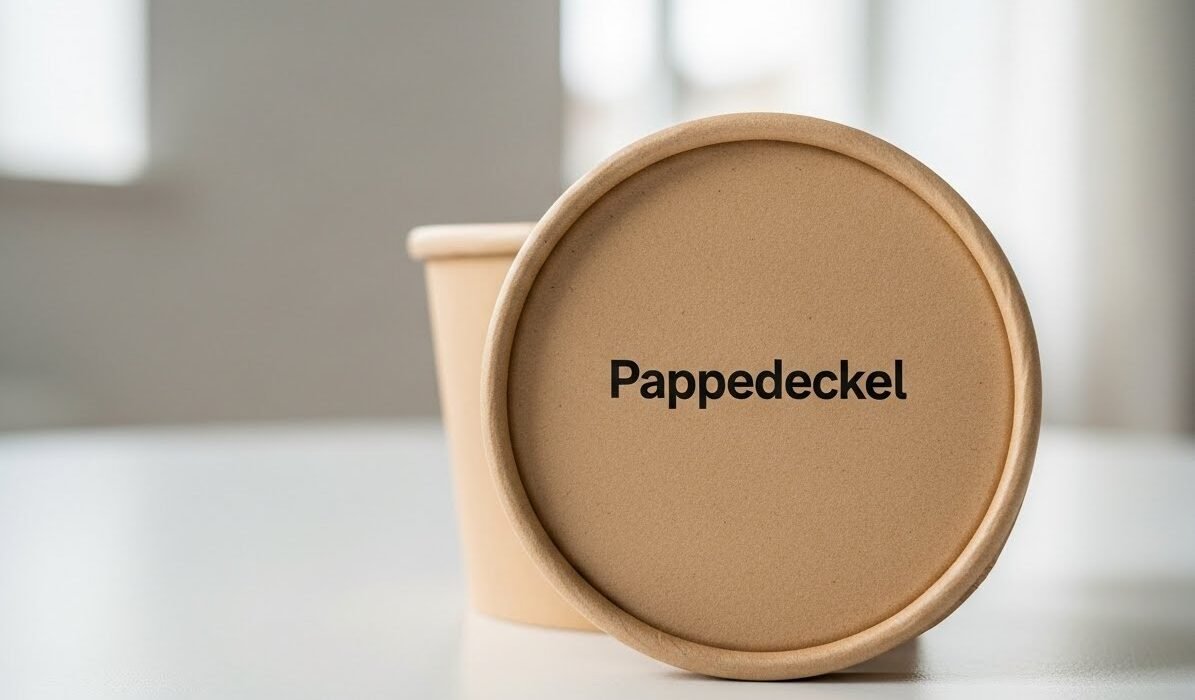
Pappedeckel provides a reliable seal that protects contents during transport and handling while supporting fast paced operations. Its paper based composition answers growing consumer concerns about plastic waste, especially in takeaway culture. At the same time, the surface of a Pappedeckel becomes a branding canvas, turning a disposable item into a communication tool.
For cafés and restaurants, this is not just packaging. It is brand touchpoint engineering, where sustainability, practicality, and visual identity meet in the customer’s hands.
Industrial and Commercial Packaging Applications
Beyond food service, Pappedeckel plays a critical role in industrial and commercial environments where efficiency and protection are paramount. In manufacturing, pharmaceuticals, and chemical storage, packaging decisions must balance durability with compliance and waste management.
Pappedeckel solutions offer predictable performance across storage and transport cycles while remaining lightweight and recyclable. Their ability to be produced in varied thicknesses and diameters allows them to adapt to diverse container systems without redesigning entire packaging workflows.
For large scale operations, this adaptability reduces friction, lowers material complexity, and supports sustainability reporting, all while maintaining operational reliability.
Environmental Impact Through a Systems Lens
The environmental value of Pappedeckel becomes clearer when viewed through a systems perspective rather than isolated metrics. Traditional plastic lids often perform well in short term use but generate long term environmental costs through landfill accumulation and ocean pollution.
Pappedeckel, by contrast, is typically manufactured from renewable fiber sources and designed to integrate into existing recycling systems. Its production generally requires less energy than plastic molding processes, resulting in lower greenhouse gas emissions across the supply chain.
More importantly, Pappedeckel supports circular economy principles by enabling material recovery and reuse at scale. This systemic compatibility is why it resonates with companies moving beyond surface level sustainability claims toward measurable environmental responsibility.
Design and Customization as Competitive Advantage
Modern packaging is no longer invisible. Consumers notice it, judge it, and remember it. Pappedeckel offers brands a rare combination of sustainability and design flexibility.
Printed surfaces allow for storytelling, regulatory messaging, or minimalist branding. Structural variations support different product experiences, from hot beverages to dry goods. Advanced coatings can improve heat resistance, grip, or moisture control without compromising recyclability.
This ability to align function, aesthetics, and sustainability gives Pappedeckel an edge in markets where packaging influences purchasing decisions as much as product quality.
Market Forces Driving Pappedeckel Adoption
The rise of Pappedeckel is not driven by a single trend but by the convergence of several powerful forces. Governments worldwide are tightening regulations around single use plastics, pushing businesses to seek compliant alternatives. Consumers are becoming more informed and more selective, actively rewarding brands that demonstrate environmental responsibility.
Operational realities also play a role. Pappedeckel is easier to store, lighter to transport, and simpler to integrate into existing production lines than many alternative materials. At a global level, sustainability has shifted from a niche value to a baseline expectation, turning practical eco-friendly solutions into competitive necessities.
Together, these forces elevate Pappedeckel from a packaging option to a strategic material choice.
Choosing the Right Pappedeckel With Expert Precision
Selecting the right Pappedeckel requires more than matching a lid to a container. Material density must align with use conditions, especially for hot or liquid contents. Dimensional accuracy ensures sealing reliability and prevents waste from spills or damage.
Customization should be intentional, supporting brand goals without overcomplicating recycling processes. Environmental certifications provide verification that sustainability claims hold up under scrutiny.
When chosen with expertise, Pappedeckel becomes a long term asset rather than a disposable cost.
Innovation and the Future of Pappedeckel
The future of Pappedeckel lies in material science and smart design. Ongoing innovations include fiber blends that enhance strength while reducing material weight, coatings that improve performance without hindering recyclability, and manufacturing processes that lower energy consumption further.
As data driven sustainability reporting becomes standard, materials like Pappedeckel that offer traceability and lifecycle transparency will gain even greater relevance. Brands that adopt these solutions early position themselves as leaders rather than followers in responsible packaging.
Conclusion: Why Pappedeckel Represents More Than a Lid
Pappedeckel exemplifies how thoughtful design can transform a simple object into a meaningful solution. It reflects a shift in priorities where functionality, sustainability, and brand responsibility are inseparable.
Across food service, industrial packaging, and consumer goods, Pappedeckel delivers performance while aligning with environmental and market demands. Its growing role signals a broader truth about modern packaging: the future belongs to solutions that are efficient, adaptable, and accountable.
In that future, Pappedeckel is not just relevant. It is essential.
Frequently Asked Questions About Pappedeckel
What is a Pappedeckel typically used for
A Pappedeckel is used as a secure lid or cover for containers across food service, industrial packaging, and commercial storage applications.
Is Pappedeckel environmentally friendly
Yes. Most Pappedeckel products are made from renewable paperboard materials and are recyclable or biodegradable.
Which industries benefit most from Pappedeckel
Food and beverage, pharmaceuticals, manufacturing, logistics, and retail packaging sectors widely use Pappedeckel solutions.
Can Pappedeckel be customized for branding
Yes. Pappedeckel can be printed, coated, and sized to support branding, compliance, and functional requirements.
How does Pappedeckel compare to plastic lids
Pappedeckel offers lower environmental impact, easier recyclability, and strong performance for short to medium term use cases.
Is Pappedeckel suitable for hot food and drinks
Many Pappedeckel designs are engineered to handle heat through reinforced paperboard and heat resistant coatings.
Why is demand for Pappedeckel increasing globally
Stronger environmental regulations, consumer sustainability expectations, and operational efficiency benefits are driving adoption worldwide.