

Prunella Scales

Prunella Scales was a seminal figure in British acting whose career spanned theatre, film and television. Born in Surrey in 1932, she grew to become best known as Sybil Fawlty in the classic sitcom Fawlty Towers, yet her talent and work reached far beyond one role. With a natural warmth, sharp comedic timing and deep stage-training, she left a mark on British culture. In this article we explore her life, her craft, her most memorable work, and why her legacy remains relevant and inspiring.
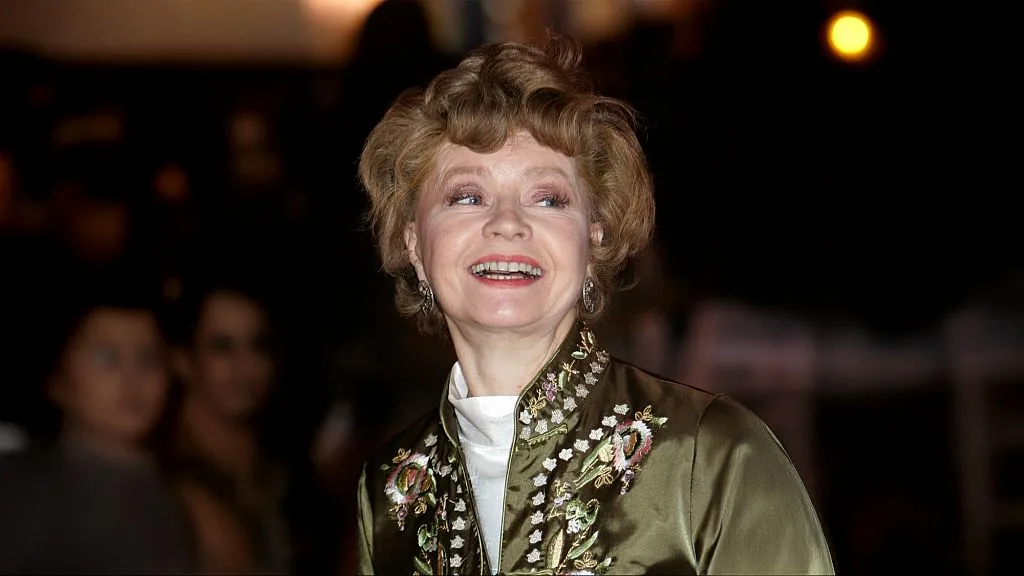
Prunella Scales Early Life and Training
Prunella Margaret Rumney Illingworth, later known professionally as Prunella Scales, was born on 22 June 1932 in Sutton Abinger, Surrey Her father was a member of the cotton trade and her mother had been involved with stage.
She went to a school and boarded with girls and took interest in acting at a young age. She had been trained, with seriousness and with a solid grounding in the dramatic arts, by her formal training at the The Old Vic Theatre School in London, and subsequently training under Uta Hagen in New York.
This mix of classical theatre training and actual experience became some sort of a trademark in her work, she never delivered superficial funny, she brought with her the depth.
Career Beginnings and Stage Work of Prunella Scales
Prunella Scales started working professionally approximately in 1951-1952 and started at Bristol Old Vic as an assistant stage manager, then in 1952 a lost adaptation of Pride and Prejudice followed in 1954 by Hobson Choice.
Parallel to this she established a good stage career. She acted in Shakespeare, contemporary drama and traditional comedies. Stage presence also made her versatile which would later work in her favor with the television and film work she did.
Breakthrough in Television and Film
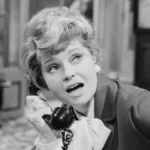
Although her stage credentials were numerous, Prunela was able to make her household breakthrough on television. Her comedic abilities started to shine in the early 1960s when she was starring in the sitcom marriage lines alongside Richard Briers.
It was in 1975 when she enlisted in Fawlty Towers that she received her most popular role as the formidable Sybil Fawlty to Basil, portrayed by John Cleese. The series was an instant television phenomenon, even though it served as a mere 12-part series.
In movies she has featured in such titles like Room at the Top (1959), The Boys from Brazil (1978) and Howards End (1992).
Signature Role: Sybil Fawlty
Sybil Fawlty and her role is one of the most iconic television female characters. Her quickness of wit, dominating presence and perfect timing made Prunella an unforgettable presence of the role. She had used humour and a veiled weakness in her acting, a quality of genius.
Her co-star John Cleese wrote that she was a truly good comic actress, scene after scene, she was superb.
The position solidified her position in British pop culture and has left a lasting legacy.
Depth Beyond Comedy
Although comedy was the most evident part of the work of Prunella it was not the only one, as she also accepted serious drama. In 1991 she starred in A Question of Attribution as Queen Elizabeth II–another performance that got her nominated at the BAFTA.
Her stage performances were eclectic, involving both classical and modern drama as well as showing her versatility and dedication to the art. She is a person who was active and conscious of her career in her life.
Personal Life and Later Years
In 1963 Prunela Scales married another actor Timothy West, and they were to work together until he died in November 2024. The Independent+1 They had two sons with one being actor and director Samuel West.
Later in her life she featured in the documentary series Great Canal Journeys (2014-2019) with her husband as their life afloat canals and discussion of dementia were broadcasted to the population.
In 2013 she had been diagnosed with vascular dementia and reduced her activities in acting. The last years of her life were also graced and filled with love and united family religiosity.
Legacy and Impact
The Prunela Scales was much acclaimed. In 1992, she was made Commander of the Order of the British Empire (CBE). Her death at age 93 in October 2025 led to tributes she was a national treasure and a gifted human being.
Her performances are still being agreed with their accuracy, warmth and humanity. She demonstrated that great comedy and great drama must have one and the same premise.
Why Her Story Resonates
Prunela has a number of reasons why her story will continue to be compelling:
Authenticity – Be it on stage or on screen she delivered genuine emotion. She never acted as a caricature; she played human beings.
Nimbleness – She fluctuated between the stage and screen, drama and comedy, classical texts and contemporary scripts.
Dedication – Her lifetime career is full of dedication to craft and not fame.
The heritage of charisma – Her humour was smart, her presence unforgettable and the off-screen modesty a true one.
Exposure to aging and disease – Her candidness on dementia served as a way of creating awareness and demonstrating humanity outside the limelight.
Final Thoughts
Prunela Scales did not just lead a theatre and television life. Her working life was based on the passion, skill and genuineness. Her performance as Sybil Fawlty will never be forgotten, but her wider legacy, her theatrical founding, her versatility, her strength, will enrich her legacy.
She showed us that performance is not only a laugh or applause but the truth and connection. Her career challenges us to recollect that we can be as industrious in every part we play whether on stage, at home or at work, as we can be on stage.
When we talk about Prunella Scales we are reminded of a spectacular actor, a loving human being and a brighter picture of what life is all about, devoting it to art, to story and to connection.