
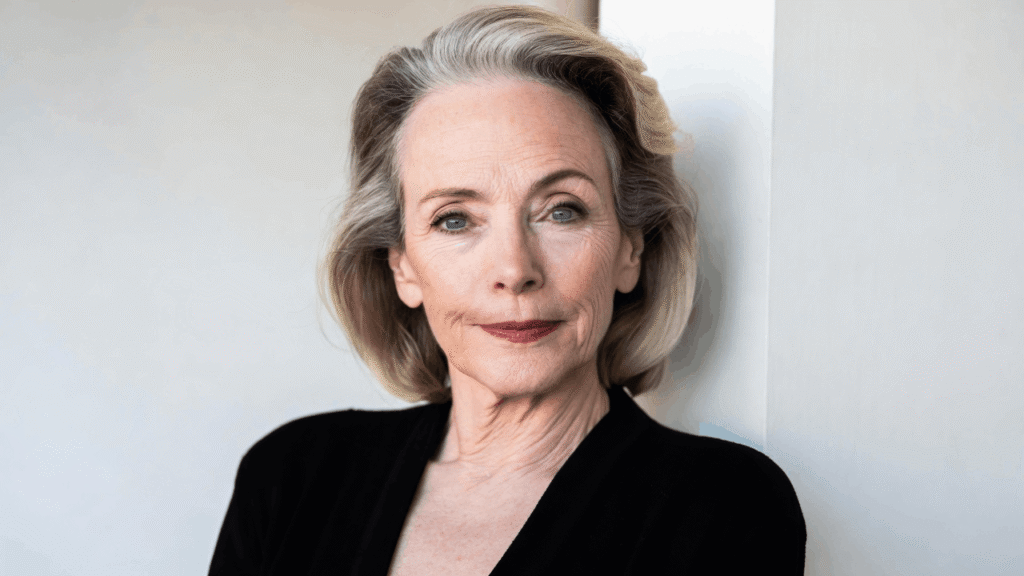


Why Middle Age Is Becoming the Most Emotionally Challenging Phase in America

Middle age has long been regarded as the most stable period in life. When individuals had reached their thirties or forties, they were supposed to be settled. Professions were to be stable. Families were meant to be formed. At this stage, life ought to have become logical.
However, it does not seem to be a stable phase to many Americans nowadays. In the middle ground battles are growing more popular, and there is a reason why the concept of a middle age crisis is beginning to gather momentum in America. There is a lot of exhaustion, confusion, and emotional baggage that many adults are most likely bearing behind their busy schedules and responsible positions without discussing it.
Understanding the Modern Middle Age Crisis
The crisis of the middle-age was considered to be dramatic or impulsive. It was also stereotyped a lot, sudden career change, lavish spending sprees, or wanton choices. Nowadays, it is quite different.
The crisis is internal among many adults. It is manifested in repetitive self-doubting, emotional distress and being caught in-between being what they used to be and how they are supposed to be at the present. Quiet sadness is often experienced at the fact of dreams that were deferred or broken off. The personal desires are replaced by the responsibilities, identity is blurred.
This modern version of the crisis is less visible, but more emotionally complex. People are still showing up to work, caring for families, and meeting expectations, even while feeling deeply unsettled inside.
The Major Causes of Emotional Burnout.
Work-life stress is one of the most powerful causes of emotional burnout. The United States has many professionals who are juggling stressful careers and attempting to have some personal life. The stress on remaining productive, relevant and financially stable never lessens down with age, instead; it tends to go up.
The economic burdens at this stage are on the increase as well. Mortgages, college fees, and health care bills, and long term planning may be a source of continual psychological stress. Even the seemingly financially stable people can experience anxiety about the future.
There is another level with parenting. Parenting and working as well as doing house chores may leave a person with little time to relax. Simultaneously, a large proportion of adults have to deal with aging parents, which presents them with a challenging emotional and logistical dilemma.
Through it all, time at a personal level gradually blows away. Hobbies fade. Rest feels unearned. Emotional burnout is accumulated silently and is confused with regular fatigue.
Loneliness and Emotional Isolation
Loneliness is one of the most offensive parts of contemporary adulthood. Most adults are lonely despite the presence of other people. Meetings, messages, and commitments are the order of the day, but it seems like there is very little meaningful contact.
Social media gives a false sense of intimacy and in most cases it increases the emotional distance. Following edited lives may lead to more inadequacy or comparison. Friendships may be lost accidentally, and all busy schedules have a minimum of time to hold a true conversation.
Adult loneliness does not necessarily mean being alone. It is about feeling unseen. Most individuals are afraid to open up their plight because they think that they are supposed to be thankful or tough. Emotional isolation becomes a standard practice with time despite the fact that it is a huge burden to mental health.
Mental Health Trends in the USA.
There is an increasing awareness and openness toward mental health trends in the US. Discussions about emotional health are more open than ever. There is a more open discussion on therapy, mindfulness, and self-care, and this is most commonly done over the internet.
But with this development, there is a group of those in middle age adults who remain reluctant to seek help. It may either be feelings of guilt, shame, or fear of seeming weak. Others are concerned with time, price or opinion. Others just do not know where to start.
The distance between knowledge and action is large. Most individuals are aware of their emotional challenges but they bear them individually.
Coping and Small Shifts That Help
Drastic changes do not provide a coping mechanism to many adults. It comes from small shifts. Setting boundaries at work. Allowing rest without guilt. Reviving things one loved to do, even in the most basic aspects.
Others are relieved by unburdening to a person they confide in. Other people slow down their schedules or make some time of silence. Getting more help need not necessarily carry formal therapy; it may start with honesty, reflection, or deliberate pauses.
These minor alterations are not the solution to everything, but they make people not feel so confined under constant pressure. They make adults remember that they also have emotional needs.
Why This Conversation is Important nowadays.
The open conversation about emotional conflicts in the middle age has never been so important. When people keep these experiences undisclosed, they think that they are failing all by themselves. In practice, a significant percentage of them are experiencing burnout, loneliness, and confusion.
When one realizes the existence of the middle age crisis in America, it leaves space to interpret and not to judge. It assists families to understand each other. It promotes challenges to unrealistic expectations in work places. It allows space for compassion, to others and to self.
This discussion does not entail describing a generation as broken. It is concerning the realization of the emotional cost of adult modernity and empathizing.
Conclusion
Middle age is not expected to seem like a silent version of an endurance test. But to most Americans, it now represents one of the most emotionally difficult life stages. The pressure is hectic between work-life stress, emotional burnout, loneliness among adults, and the changing identities.
The essential fact is the following: these battles are ordinary, human, and controllable. Middle age can be a time of looking back and not backward with awareness, understanding and support. The period of emotional truthfulness instead of silence, and the introduction of compassion into daily life.