

Anthony William: The Man Behind the “Medical Medium”
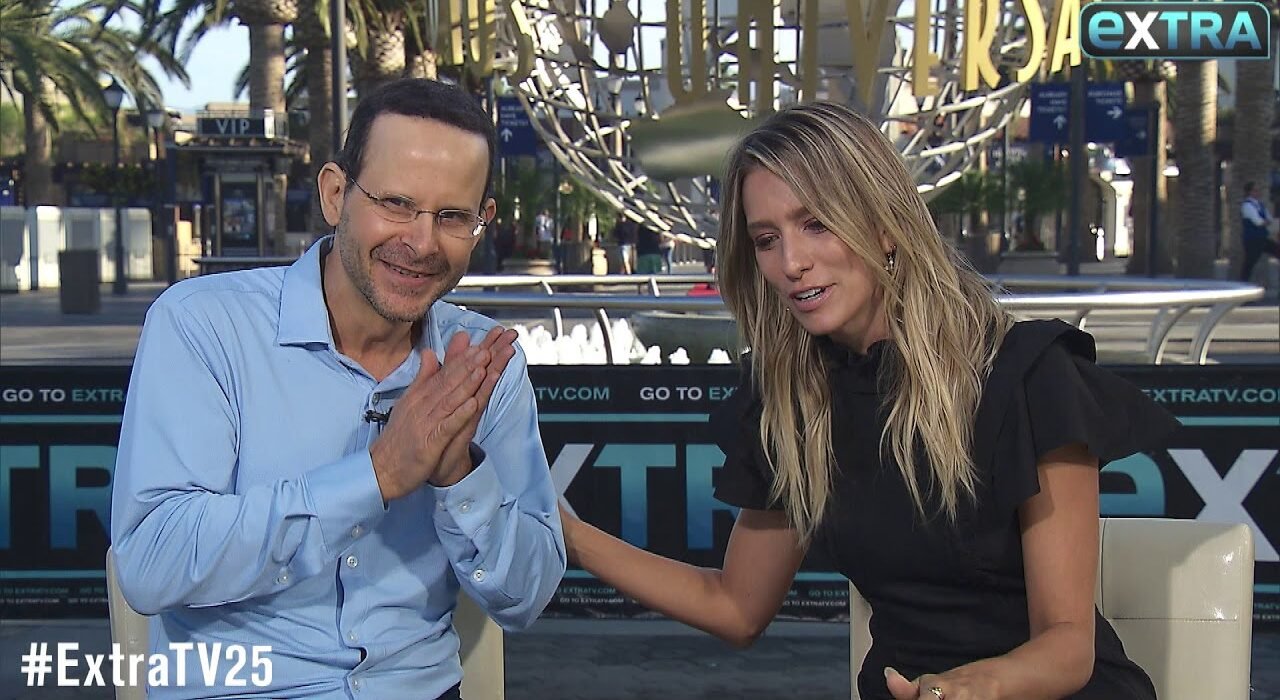
Anthony William has entered the wellness and self-help arena. He identifies himself as the “Medical Medium” and gives medical advice on chronic illness, health-related policies, eating and recovery according to what he claims are spiritual downloads of information, as opposed to medical education. His works and impact have appealed to many people although critics have cast doubt on his style.
Early Life and Rise to Prominence
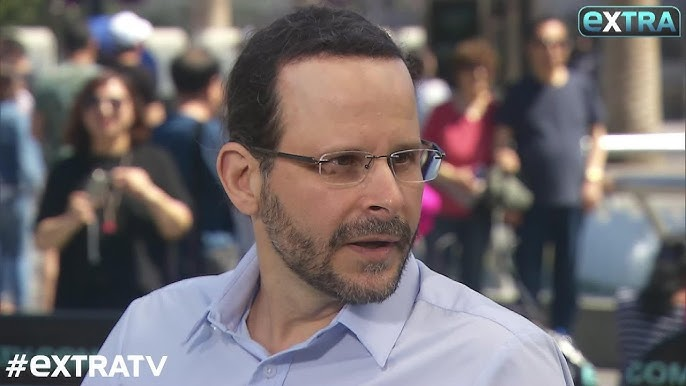
Coviello, Anthony William, reports that ever since he was four years old he started perceiving what he calls a Spirit of Compassion that gave him details of the health of people. He says that during his childhood days he was able to diagnose the lung cancer of his grandmother without being put under medical care. This is the story that forms the background of his subsequent work and the story he tells the followers.
Gradually William has authored books, provided personal consultations, and turned to be a social-media personality and a brand based on the premise that he could assist people with chronic illnesses in finding answers where healthcare mainstream had failed them. He, for instance, got notoriety by advertising celery juice as a curing elixir, among other procedures.
What His Work Emphasises
The essence of the approach developed by William is that most old-established medical problems are due to unknown causes that include viruses (in particular, Epstein-Bar virus), toxins, heavy metals or emotional/spiritual disharmonies, which the conventional medicine frequently overlooks. His books have such titles as Medical Medium: Secrets Behind Chronic and Mystery Illness and How to Finally Heal (2015) and Medical Medium Celery Juice: The Most Powerful Medicine of Our Time Healing Millions Worldwide (2019).
He stresses on diet, food as medicine, and lifestyle choices. The followers are asked to embrace certain foods, cleanses, supplements and even extreme diets. William tends to put forward his advice as an insight inspired by the spirit and not scientific tests.
Public Impact and Popularity
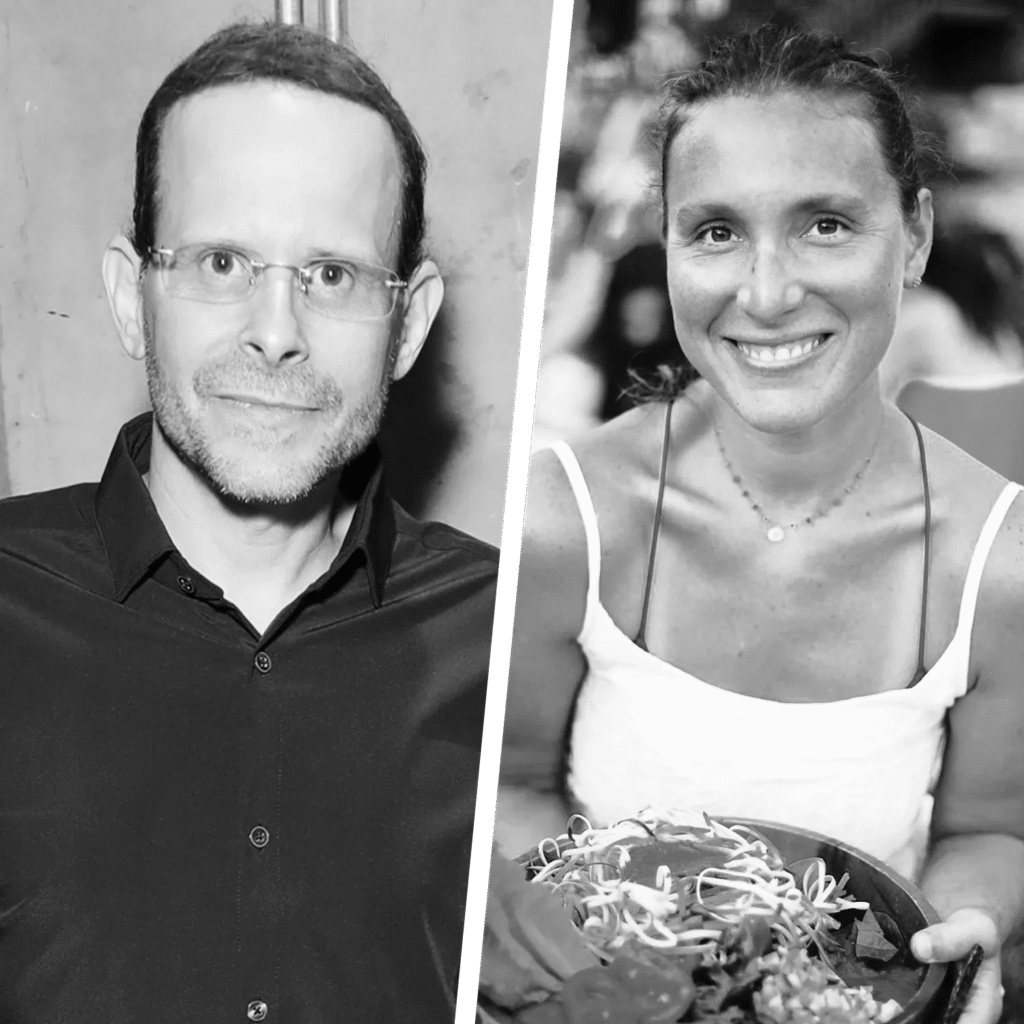
William has gained a lot of popularity. He has appeared in the wellness press, written in magazines like Goop and has a huge social network following and his books have been on the bestseller lists.
His popularity is associated with an increasing wellness trend whereby individuals are now looking at other methods of health, particularly when traditional medicine has failed to achieve the desired outcomes. Many people can relate to his message of hope, empowerment and healing.
Criticism and Controversy
Although William was popular, his work has elicited a lot of criticism, most of which is based on reasons of scientific credibility, safety and ethics. It has been claimed as a source that he is dispensing medical advice that is unsanctioned by a qualified medical doctor and that his assertion (that celery juice cures most diseases or that the Epstein-Barr virus is the cause of cancers) lacks an equitable scientific foundation.
A single investigative piece at Vanity Fair told the story of one of the followers, her health worsened by relying mostly on the regimen with William and postponing traditional care.
The warning by medical professionals is that some of his dietary guidance might not be danger, (e.g. eat more vegetables) but the way he presents the advice as a cure or a replacement to medical treatment can be dangerous, particularly to individuals with severe conditions.
A Balanced View
When looking at the story about Anthony William, one can consider a number of things. On the bright side, he provides a story of hope and calls the people to become more in control of their health. To most frustrated patients who experience chronic symptoms and unrewarding healthcare visits, the call is quite delectable. His focus on lifestyle and diet modification is in line with the broader social messages on healthy eating, intake of processed foods and care of the body.
Conversely, his recommendations should be taken carefully and critically. The fact that his approaches are not based on peer-reviewed health study and that such statements like a virus being a cause of serious illnesses are made without the usual scientific support makes his work a not-to-be-used alternative to meeting with the qualified health worker. The disclaimers of his site state that he is not a licensed physician.
Why His Story Matters
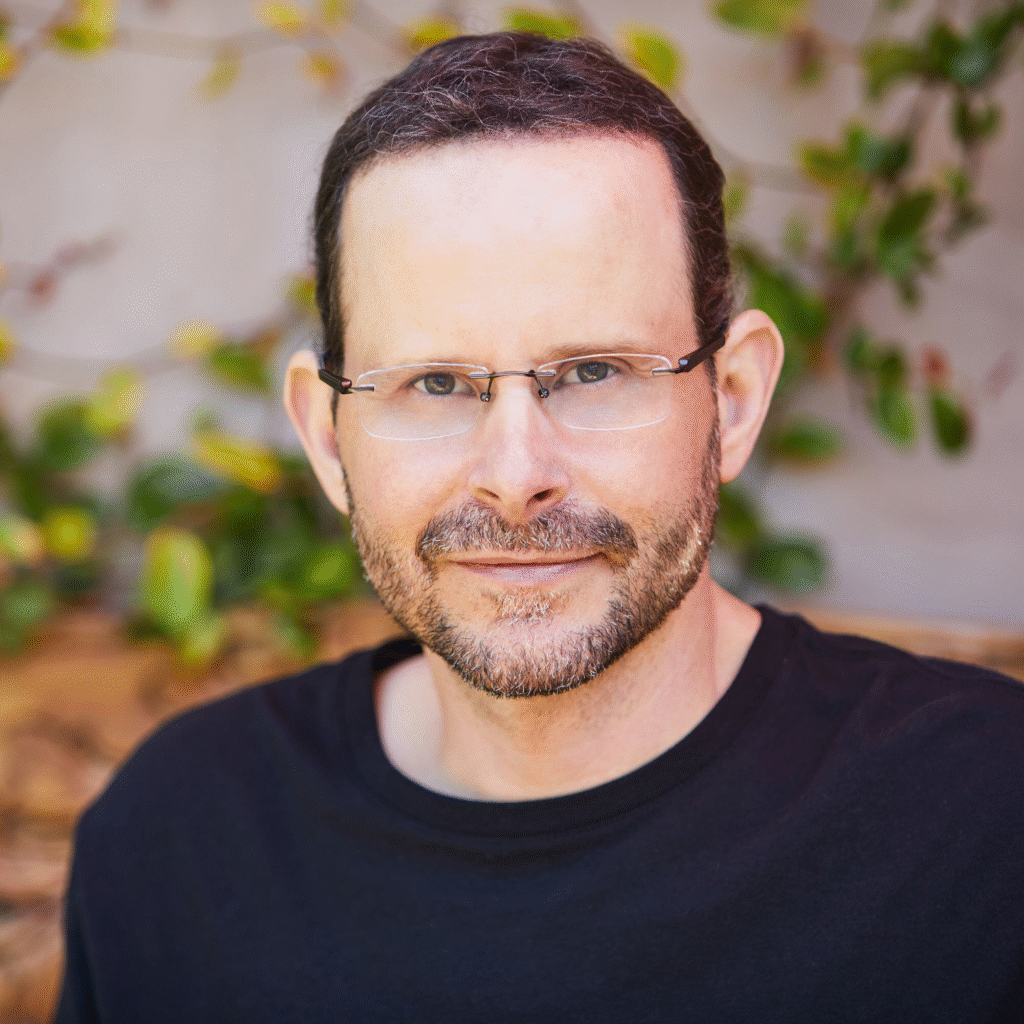
Anthony William’s story matters because he illustrates several important trends in modern health culture. One is the search for meaning and personal agency in a system of healthcare that many feel is impersonal or incomplete. Another is the convergence of wellness, social media, celebrity influence and niche expert marketing. William’s influence shows how alternative health narratives can gain large followings and shape behaviour.
For people curious about wellness, his work serves as a case study: what happens when food, belief, spirituality and health intersect in the digital age. It invites reflection on how we evaluate leadership, evidence, personal experience and the claims we accept about health.
FAQs
Is Anthony William a doctor in medicine?
No. Anthony William is neither a licensed medical physician nor does he possess any official medical credentials. His practice has been defined as spiritual or intuitive as opposed to conventional medicine.
Are his practices scientifically supported?
Mainstream medical science does not support a lot of his claims. In particular, his claim that the Epstein-Barr virus is the cause of most cancers and diseases cannot be supported with peer-reviewed literature as he does it.
Is it bad to act according to his protocols?
Although switching to a healthier diet and avoiding processed foods can be helpful, when one replaces his protocols with traditional medical treatment in the case of a serious disease, then it can be dangerous. It is not recommendable to put off the diagnosis or conventional treatment and rely on alternative procedures.
What is the reason why so many people take his advice?
The conventional healthcare does not adequately cater to many of the followers, particularly with regard to chronic symptoms. William provides an account of hope, empowerment and control. His message is also emotional- especially to people who feel neglected or stagnant in their wellness process.
What would one recommend a reader to do with his work?
A reasonable, moderate position is prudent. It is possible to believe in positive things (e.g. better diet, more vegetables) and at the same time check the assertions, refer to qualified health workers and remain sceptical about their blanket health claims. It is good to base his/her health decisions on evidence and professional recommendations.