


Real Madrid vs Atlético Madrid Lineups: The Derby Unpacked
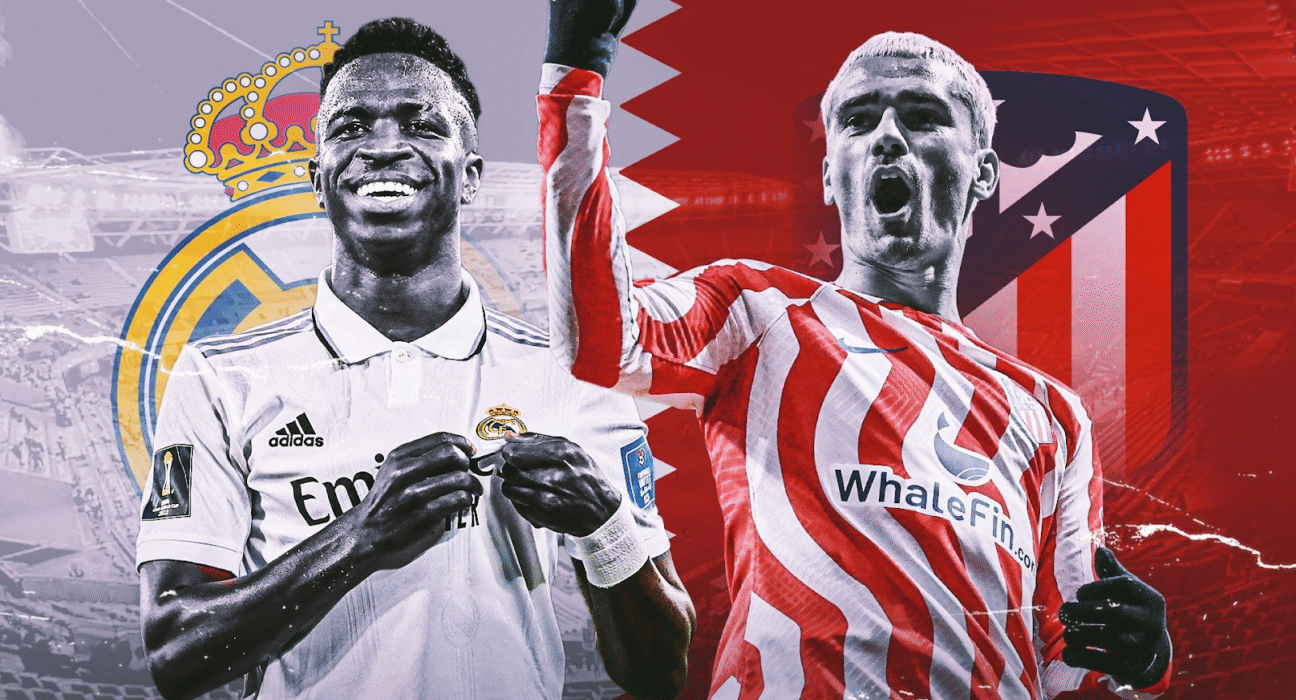
Whenever Real Madrid and Atletico Madrid play it is not a mere match. It is a derby that is intertwined with history, pride and tactical intrigues. The lineups are always one of the most interesting aspects before the kickoff, who plays where, how each coach manages to do that, and what it means about his/her strategy. In this paper we discuss the latest choices of lineup, what they entail in terms of formation and tactics, and why both groups of players are relevant in this competition.
The Importance of the Starting XI
The starting eleven is not only the players on the field of play. It shows the intentions of a coach. In the case of Real Madrid this may imply possessing an attacking pace and width. In the case of Atletico Madrid the lineup can be an indication of defensive discipline, threat of counter-attack and physicality that their coach places high emphasis on.
When Real Madrid posted their starting lineup to one of the derby matches it was as follows: Courtois, Valverde, Asensio, Rudiger, Mendy, Tchouameni, Modric, Bellingham, Rodrygo, Mbappe and Vinicius Jr. The choice made contains an indication of faith in experience (Modric) and youthful impetus (Mbappe, Vinicius). Atletiko lineups have always included Jan Oblak as the goalkeeper, Marcos Llorente as either a defender or a midfielder, Robin Le Normand, Lenglet and Hancko in the defence and Griezmann or Alvarez as attackers.
What these decisions are indicative of is the character of each club – Real Madrid striving to be dominant via conquest and panache, Atletico Madrid building strength in terms of endurance and strategic planning.
Recent Lineups: What They Tell Us
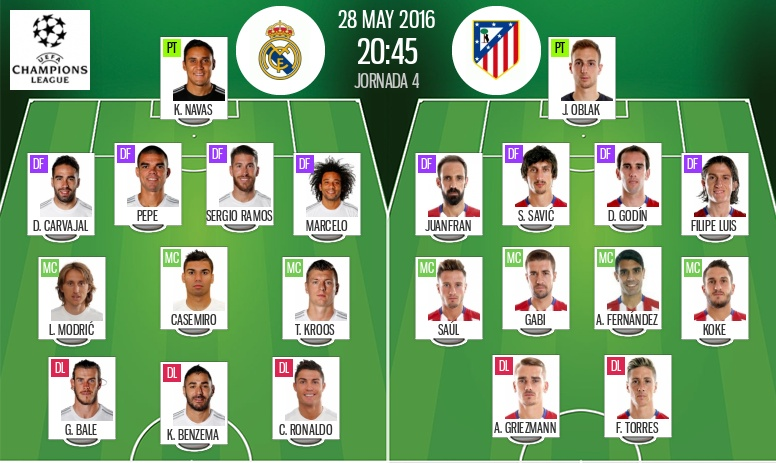
In one recent example Real Madrid started with 4-2-3-1 formation in a derby game where Thibaut Courtois was the goalkeeper and the front three of Mastantuono, Guler and Vinicius were in front of Mbappe.
That formation implies that Real desired to defend against counter-pressing by Atletico, but still have a wide and deep attack.
At the same time, the lineup that Atletico predicted to start that match included a back four consisting of Llorente, Le Normand, Lenglet and Hancko; a midfield of Koke, Barrios and Gallagher; and an attack of Alvarez and Sorloth.
That indicates the readiness of Atletico to form a balanced team: good defence, hardworking midfield and two forwards who can press and break away.
Use the proven lineups of the 4 March 2025 Round of 16 of the Champions League. The XI of Real Madrid consists of the following: Courtois; Valverde; Asensio; Rudiger; Mendy; Tchouameni; Camavinga; Brahim; Rodrygo; Vinicius; Mbappe.
The starting XI of Atletico (as most media outlets discussed) was as follows: Oblak; Llorente; Gimenez; Lenglet; Galan; De Paul; Barrios; Lino; Griezmann; Alvarez. Looking at such decisions, one will notice the difference: Real focus on the speed of attacks and rotation (Brahim, Rodrygo) whereas Atletico is stuck with old-fashioned defenders and a straightforward couple on the front line.
What the Lineup Says About the Match
Selection of lineups creates hints on the way the match will proceed. The presence of Mbappe and Vinicius Jr in Real Madrid means that they plan to rush and take advantage of space. The Tchouameni and Camavinga they have in the midfield indicate that they are seeking vigor and protection.
In the case of Atletico Madrid, Lenglet and Le Normand have formed a back four, which indicates the use of heavy-duty defending. The midfielders Koke and Barrios are patient and tough with Alvarez and Griezmann in front of them hinting that they are planning to attack in the break or on the set piece.
Details are also important though not so obvious. As an example, when Real drop Modric in favour of a younger midfielder, they can be intending on a faster pressing game. In case Atletico do take Gallagher, this will indicate that they intend to have a player who can offer aggressive wide support to destabilize the full-backs of Real. Simply put, it is nearly as if the lineup was being read out as the tactical blueprint of the game.
The Emotional and Historical Weight of the Derby
It is a derby full of meaning. The competition between Real Madrid and Atletico Madrid is also called the Madrid Derby (or in Spanish El Derbi Madrileno): the decades-old rivalry is highly localized.
The anticipation is created when the lineups are announced. The fans examine the strength, prejudice, injury and positions of their team. The absence of one of the first-choice players can alter the mood of the whole game.
To the players, it is more than just being selected in the starting line up of a Real v Atletiko match: it is an expression of faith by both the coach and the club. This is to say that they are not only to play in the individual manner, but also as a member of the club in this competition.
The Tactical Balance Behind Selection
Knowledge of the reasons why coaches use some players will aid in augmenting appreciation of the match. Indicatively, Real Madrid may opt to use more of a defensive full-back such as Mendy in case the opponent, the Atletico, attack through the flanks. Alternatively, the possibility of Valverde being selected on the right-back can mean an overloading of the flanks and advancing.
The decisions made by Atletico Madrid are also loaded. They could be picking three centre-backs to deal with the wide threats posed by Real. They may also be seeking to play a more direct game if they opted to play a 4-4-2 instead of 3-5-2. Griezmann is a more experienced and creative player; Alvarez is a more physical and fast player.
Essentially, every player who is picked in the starting XI is a chess piece. The choice of the coach is a decision that does not only cover the roster but also the opponent, the setting and the time – and in the case of the derby, every decision has a meaning.
Reading Between the Lines: What to Watch
There are some things that should be listened to when the lineups are publicized. Are the full-backs offensive or defense-minded? What is the number of forwards that have been chosen? Are the midfielders a possession or a work-rate player? More attacking players imply that a team intends to press and conquer. A more defensive selection is an indication of caution or anticipation of strength of the opponent.
Real have tended to bring in additional attacking ability (Mbappe, Vinicius, Rodrygo) in recent Real versus Atletico matches based on their self-confidence and willingness to dominate the game. Atletico have generally reacted by a strong defence and hard-working midfielders who are willing to retaliate. Other observers are also interested in substitutions – when will they happen, who will come and what will it say about the development of the match.
Looking Ahead: Why Lineups Still Matter

In the age of analytics and data, most people think the starting lineup does not matter for the matchday. However, in the actual rivalry such as Real Madrid vs. Atlético Madrid, the lineup is a story of its own. This affects how fans feel, how the opponent contingently sets up and how coaches react. When you know who is starting, you deduce who is fit, who is prioritized, what the tactics are, and what the game-state you can expect. Injuries and rotation matter. For example, if Real sits many key players for a midweek European adventure, Atlético sees a ripe opportunity. Also, if Atlético signs a fresh forward a week before the derby, Real will back off their lines. To sum up, Lineups are the match’s prologue, and the first chapter is only the beginning of the match.
Conclusion
In short, when Real Madrid and Atlético Madrid play, the lineups are an important part of the story. They tell us not only what is and what will happen, but also what to expect, who will play high, low, who will be aggressive and who will be defensive. From the stands or couch, the opening XI is our first view of how each manager plans to approach the derby. When the players on the field, the narrative gets rolling. However, the lineups give us our first direction.
FAQs
Why are lineups so closely analysed for the Real Madrid vs Atlético Madrid fixture?
Because this derby is high-stakes and emotionally charged. The starting XI reveals not just the best players available but a coach’s tactical agenda and message to both players and fans.
What formations do both teams typically use in this derby?
Real Madrid often favour a 4-2-3-1 or 4-3-3 formation that blends attack and control. Atlético Madrid often employ 4-4-2 or 3-5-2 formations emphasizing defensive solidity and counter-attack threat.
Does a change in one or two lineup positions matter that much?
Yes. Even swapping a full-back or adding an extra midfielder can alter how the team defends, attacks and controls the game. In this derby, small adjustments carry large implications.
How can I verify the official lineup once it is announced?
Reliable sources include the clubs’ official websites and trusted sports outlets such as the official site of Real Madrid. For example the Real Madrid website published: Courtois; Valverde; Asensio; Rüdiger; Mendy; Tchouaméni; Modrić; Bellingham; Rodrygo; Mbappé; Vinícius Jr. Real Madrid CF | Web Oficial
What should I look for in a starting lineup to anticipate how the match will play out?
Look at how many attackers a team selects, whether full-backs are attack-oriented, how many defensive midfielders there are and which players are missing due to injury. These clues help project whether the team intends to dominate possession, defend deep, or strike on the break.