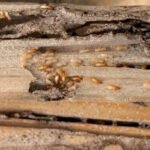



Termites in House: What Every Homeowner Should Know

It may be disturbing when you realize that you have termites in the house. These small insects can appear harmless but in the long run they can be devastating. We shall discuss in this paper how to diagnose a termite issue, why it occurs and how to address it in simple and plain language. The material will make it practical and comprehensible. We want to assist you to take action at a young age and save your house.
Understanding the Threat of Termites in House
Termites are insects that feed on wood and other substances that have cellulose. Once they have entered your house they can chew structural timber, floorboards, wall studs and furniture quietly. The issue is that sometimes you do not even notice them until they are in a more developed form of damage. As trusted sources say, termites affect hundreds of thousands of homes annually and damages and treatment costs it in billions.
This is one reason why termites are so dangerous because they work inwards. They create tunnels underground, and many times they are behind the scenes and before you notice the collapsing floors or hollowed timbers, the damage might be accomplished. The problem is that when you find a problem with termites, you usually find out that the unexpected guest was staying quite long.
Recognising Signs of Termites in House
The sooner you are aware of the termites in house the better. Part of the typical indications would be the hardly noticeable mud tubes on walls or foundations, the hollow sounding timber when tapped, blistering or peeling paint, doors or windows that are hard to open due to the weakened frame. According to one of the reliable instructors, termite tunnels, particularly those under foundation are a better indicator.
The second indicator includes swarming insects or dropped wings around the windows or the doors. This can mean that a fully grown colony of termites is sending swarmers (winged reproductive termites) which is a major stage. Terminix+1 A hollow sound when a wood is tapped, a wood that easily breaks when a screwdriver is forced into it, may indicate some internal tunnelling.
Why Termites Choose to Invade Houses
A house is more prone to termite infestation under a number of conditions. Moisture is a major factor. The termites prefer rotten or moist wood since it is easy to chew and has a tendency to be nearer to soil or out of sight. The prevention of moisture and contact between wood and soil is one of the methods of prevention, according to one of the university extension resources. NJAES+1
Another pathway is wood to soil contact. Along the desiccated wood touching the ground or mulch and debris accumulated next to the ground, termites easily access the wood. There can be entry or favourable conditions as well with any cracks in the foundation, pipes or utility entry, and poor ventilation in crawlspaces. This is the preferred advice on good pest control which emphasizes sealing such openings and preventing wood on the ground. Orkin+1
Lastly, ancient or dilapidated buildings are mostly more susceptible. The risk is greater in case of inappropriate use of proper termite-resistant building materials or treatments or past termite activity.
What Happens When Termites Are Already in the House
When termites have already entered your house, your battle to get rid of them is replaced by treatment and mending. Treatment can be provided by soil based termiticides (barriers around the foundation which are placed with chemicals), or by baiting systems that are discovered by the termites and transported to their nest. Environmental Protection Agency+1 In other instances, structural supports may be required to be reinforced or some replacements of wood may be necessary.
The faster the response the better. In letting the termite damage go on, you will be losing structural integrity, paying a lot of money in repairs and even the value of your house. Since the damage caused by termites might not be included in the regular homeowners insurance, preventive measures are even more significant.
Preventing Termites in Your Home
Although there are no termites in your house at the moment, it is still early to prevent its occurrence. It is a way of investing into peace of mind. Other common practices are to make sure that any timber is at least several inches above the ground, keep firewood or timber debris far away the house, and to make sure that gutters and downspouts direct the water away instead of letting it pool at the base. NJAES+1
Consideration is also important. Preferably, you or a pest-controlling expert must be able to walk around the house, crawlspaces, foundations, and wooden structures every year, looking to see whether there are indications of termite activity. It is all a matter of early detection. One of the sources reminds that prevention is much cheaper than cure. MSU Extension Service
Besides, any wood stored off the ground, old tree stumps and roots in the area around the foundation and even mulch piled to the exterior walls are also ways of minimizing risk. The control of moisture is the key: if there is any leakage, fix it as soon as possible, keep the crawlspaces or basement well ventilated and the soil around the foundation should be graded toward acting as a drain to prevent the puddling of water.
Dealing With Termites: When to Call a Professional
Whether you find evidence of termites in the house or not, you may wonder whether you can handle the situation or not. The fact is that there are DIY actions that can be used in case of very early or small infestation. However, in instances when you suspect that the termites have been in the house a long time, or you realize that there is structural damage, a professional is highly advisable. The specialists can offer special treatments to the professionals and understand where to find the infestations.
When you hire an expert in pest-control, you should inquire about inspection, the methods of treatment, the results to be expected, and most importantly an oversight or a warranty on any territory that has been treated. It can be treated by a surrounding of what is called a chemical barrier around the home foundation, bait stations or the timber can be injected with treated foam. The company you have chosen must provide information on the methods, the period of residual protection, risks that may be posed to family members or pets and the way how the area will be reinstated after treatment.
Repairing Termite Damage
Once the treatment has been administered, the following process is repair in case damage has occurred. This can include substituting rotted timber, curing or covering exposed places and adding reinforcements to the support structures. One should get a building contractor that has knowledge on the way to do structural repair and also make sure that any replacements are made with termite-resistant wood or treated material.
It is also good to refresh your maintenance plan to ensure that the repair of the machine is not the beginning of the new problem. To take an example, when you have repaired the wood damaged due to moisture, make sure that the source of moisture is repaired completely otherwise the new timber will also be exposed.
Final Thoughts
Finding termites in house is never a good thing but one that can be taken into action and checked. The important thing is knowledge: be aware of the signs, address the conditions that welcome the termites and act in case you notice the activity. Avoidance and early detection will never be expensive and disruptive compared to the cost of repairing a lot of damage in future.
This defence is a great one because by observing moisture, checking timber, keeping the contact of wood and soil to a minimum and arranging a yearly check up, you put your home in a great position of defence. Should you encounter any form of trouble, then immediately calling a qualified person will save your house, your family as well as your investment.
To the point, be prepared to deal with the situation when you suspect the presence of termites in the house, be alert, be proactive and ensure your house is safe, comfortable and sound.
Frequently Asked Questions (FAQs)
How Do I Know If I Have Termites in My House?
Some of the signs include mud tubes along foundations or walls, hollow‑sounding timber when tapped, discarded wings near windows or doors, blistering paint or wallpaper, difficulty opening doors or windows due to frame distortion.
Are Termites Always Visible?
No. Many termite species stay hidden inside wood or beneath foundations. Sometimes you only notice them when damage becomes visible or when swarmers appear. That’s why regular inspections are so important.
Can I Treat Termites Myself?
For very small or early infestations, you may try DIY methods such as applying borates to exposed timber or using bait stations. However, large or hidden infestations are best handled by licensed professionals because improper treatment may fail or even worsen the problem.
Does Termite Damage Affect Home Value?
Yes. If termites have compromised structural timber, this can affect both safety and value of the home. When buying or selling a property, termite inspection is often a standard check. Untreated damage may deter buyers or reduce the price.
How Often Should I Inspect My Home for Termites?
It is wise to have an inspection at least once a year. More frequent checks may be needed for homes in high‑risk zones (e.g., warm, humid climates, older properties, or homes with wood‑to‑soil contact).
Can Termites Come Back After Treatment?
Yes. If preventive measures are not maintained (moisture control, wood‑to‑soil separation, sealed entry points) and surveillance is lax, termites may re‑infest. That is why ongoing monitoring and maintenance are essential.